Stephen Signature: The Modern Script Font for Effortless Style
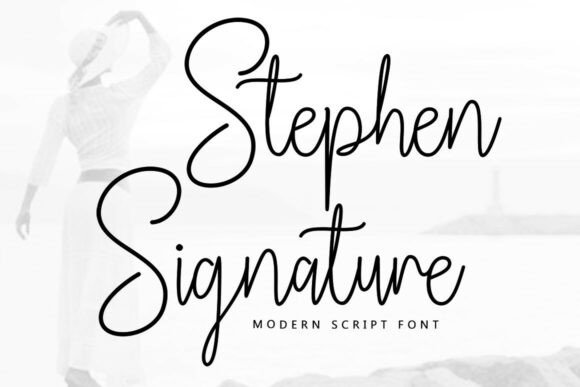
When a brand needs to communicate elegance without pretense, and personality without clutter, the choice of typography becomes a quiet but powerful statement. Stephen Signature is a modern script font built for exactly this kind of nuanced communication. It doesn’t shout; it whispers with confidence. Its design is rooted in the graceful flow of a fine-liner ink pen, featuring thin, monoline strokes and an elongated vertical structure that gives text a sense of airy openness. The real character emerges in the capital letters, where beautiful, sweeping loops add a touch of organic sophistication that feels both personal and polished.
Understanding the Visual Personality
At its core, Stephen Signature is a premium display font. This means it’s designed for impact in headlines, logos, and short phrases, not for setting long paragraphs of body copy. Its thin strokes and flowing script nature make it exceptionally legible at larger sizes, where its delicate details can be fully appreciated. The personality of this typeface is one of breezy, modern elegance. It avoids the heavy, traditional feel of some calligraphic fonts, instead offering a lighter, more contemporary touch. Think of it as the typographic equivalent of a beautifully handwritten note on quality stationery—refined, intentional, and effortlessly chic.
This aesthetic makes it a versatile creative font. It bridges the gap between a classic handwritten font and a structured, modern script. The monoline strokes ensure consistency and a clean appearance, while the elongated letters and decorative capitals provide the flair needed for memorable branding. It’s a typeface that feels human and approachable, yet completely professional.
Where Stephen Signature Truly Shines
The true test of any design asset is its real-world application. Stephen Signature excels in projects where brand identity and personal touch are paramount. Its strengths are most evident in specific contexts:
- Logo Design and Brand Identity: For boutique brands, lifestyle companies, fashion labels, and personal blogs, Stephen Signature can form the cornerstone of a visual identity. It’s perfect for crafting a wordmark that feels exclusive and tailored. Pair it with a clean sans serif font for body text to create a balanced, professional system.
- Editorial and Publishing Design: In magazine layouts, book covers, or chapter headings, this script font adds a layer of sophistication. It can highlight quotes, feature titles, or author names with an editorial flair that captures attention without overwhelming the page.
- Packaging and Product Labels: For artisanal goods, beauty products, or gourmet foods, packaging design is critical. Stephen Signature lends an air of high-end, handcrafted quality. Imagine it on a candle label, a skincare box, or a gourmet chocolate wrapper—it immediately elevates the perceived value.
- Digital Presence and Social Media: In the fast-paced world of social media graphics, standing out is key. This font is excellent for Instagram story headers, Pinterest pin titles, or website hero sections. Its flowing style is highly engaging on screens, adding personality to a digital brand’s voice.
- Professional Stationery and Event Materials: From business cards to wedding invitations, the font brings a consistent, elegant touch. Its legibility at small sizes on printed materials like letterheads or thank-you cards is a significant practical benefit.
Making Smart Typography Choices
Choosing the right font for a project involves more than just picking something that looks nice. It’s a strategic decision that influences readability, brand perception, and audience engagement. Here’s how to approach using a font like Stephen Signature effectively.
First, evaluate the project fit. Ask yourself: does the brand or project voice align with the font’s personality? A minimalist fashion brand, a high-end photography studio, or a sophisticated lifestyle blog are perfect matches. A tech startup focused on data might need a more geometric, sans serif approach. The font should feel like a natural extension of the brand’s core message.
Next, master the art of font pairing. A script font like Stephen Signature works best when contrasted. Pair it with a stable, neutral serif font for a classic, balanced look, or with a simple, geometric sans serif font for a clean, modern contrast. Avoid pairing it with another decorative or highly stylized font, as this can create visual chaos. The goal is hierarchy: Stephen Signature for the headline or logo, and a more subdued font for supporting text.
Always consider readability in context. While Stephen Signature is designed for clarity, its script nature means it’s not suited for long-form reading. Test it at the intended size. Will it be legible on a small business card? Will the loops render clearly on a digital screen at 72dpi? Its beauty is in the details, so ensure those details are visible where it matters most.
Finally, understand the licensing and included styles. When you acquire a commercial font like this, you’re often getting more than just the basic letters. Check for OpenType features—these might include alternate characters, stylistic sets, or ligatures that can add even more custom flair to your designs. Ensure the license covers your intended use, whether for a single client project or for creating products for sale.
Incorporating Stephen Signature into your toolkit is about adding a specific voice to your typographic repertoire. It’s a design asset that, when used thoughtfully, can significantly enhance the professionalism and emotional resonance of a brand, making your work not just seen, but felt.